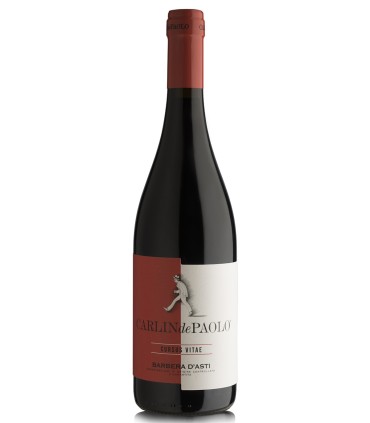
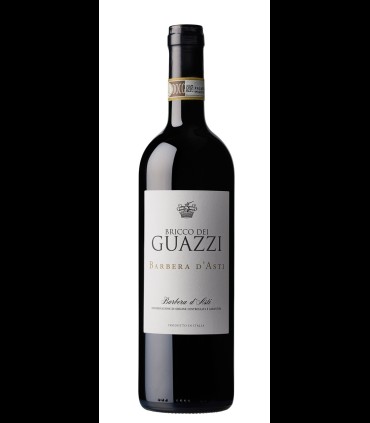
Why I suggest Barbera Cursus Vitae 2025
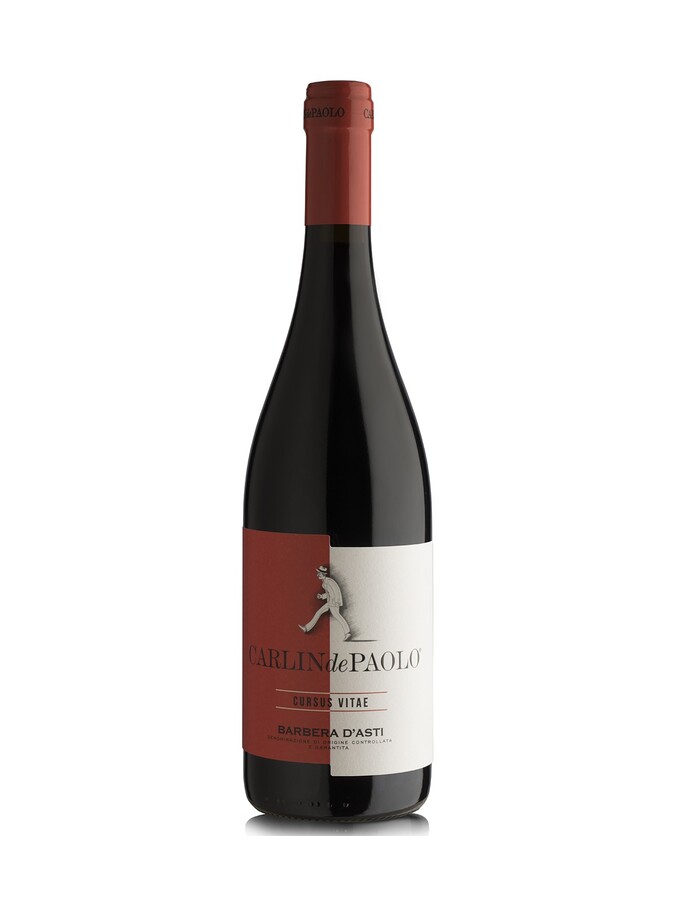
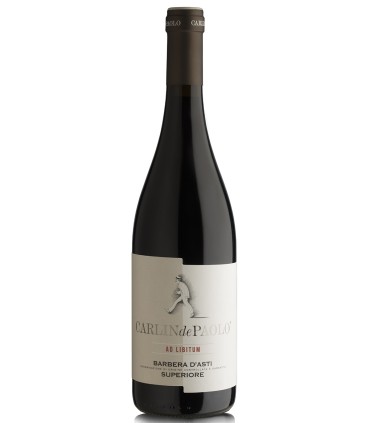
Barbera is a great grape variety and produces excellent wines. Carlin de Paolo focuses on low yields, and the wine is aged for over a year in small wooden barrels to give it more structure and maturity. Pleasant and delicious, easy to drink, great aromas, balanced. It is a very feminine wine. It has a delicate touch and is a gentle and elegant wine that will take care of you gently.
Sensory Profile of Barbera
A beautiful Barbera that respects the denomination Docg. Red color, cherry and anise fruit, plum scent with raspberry, blackberry and floral aromas. Not a demanding but pleasant wine, with a rather herbaceous nose and some floral notes, mainly violet. Dry and medium-bodied, perhaps trying to imitate the nearby Nebbiolo grapes, tannins that are more pronounced than those usually expected from Barbera grapes. On the palate green tannins and moderate acidity with consequent freshness.
Recommended Pairings and Serving Guidelines
Barbera d’Asti DOCG Cursus Vitae 2025 Carlin de Paolo with braised meat with grilled polenta; Risotto with mushrooms, with truffle. Meat chops; Fresh pasta and tomato sauce, cheeses with intense flavors: Toma, Sardinian pecorino with celery and black olives.
Uncork Barbera d’Asti DOCG Cursus Vitae Carlin de Paolo and decant before serving at a temperature of 18-20 ° C, in a large Ballon glass.
The Story of Carlin de Paolo Four Generations of Passion.
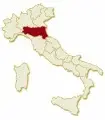
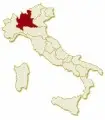
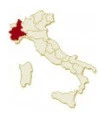
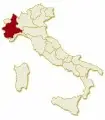
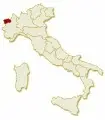
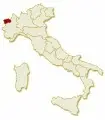
The winery's name is a proud tribute to its founder, grandfather Carlo (known as "Carlin"), Paolo's son. He blazed the trail, cultivating the first vineyards with a simple yet rigorous philosophy: listening to nature and following its rhythms. Today, the fourth generation of the family upholds this precious legacy, combining ancient knowledge with modern winemaking technologies to bring the purest expression of the Piedmont terroir to the glass.
Read moreShow less