






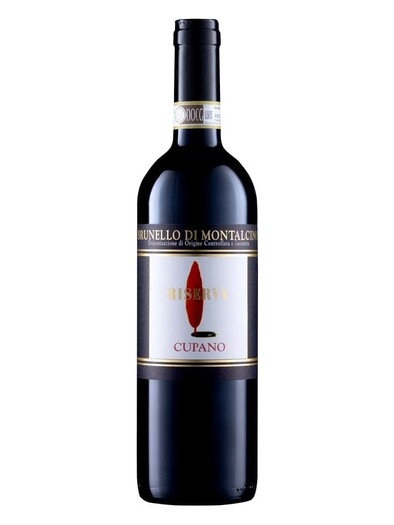
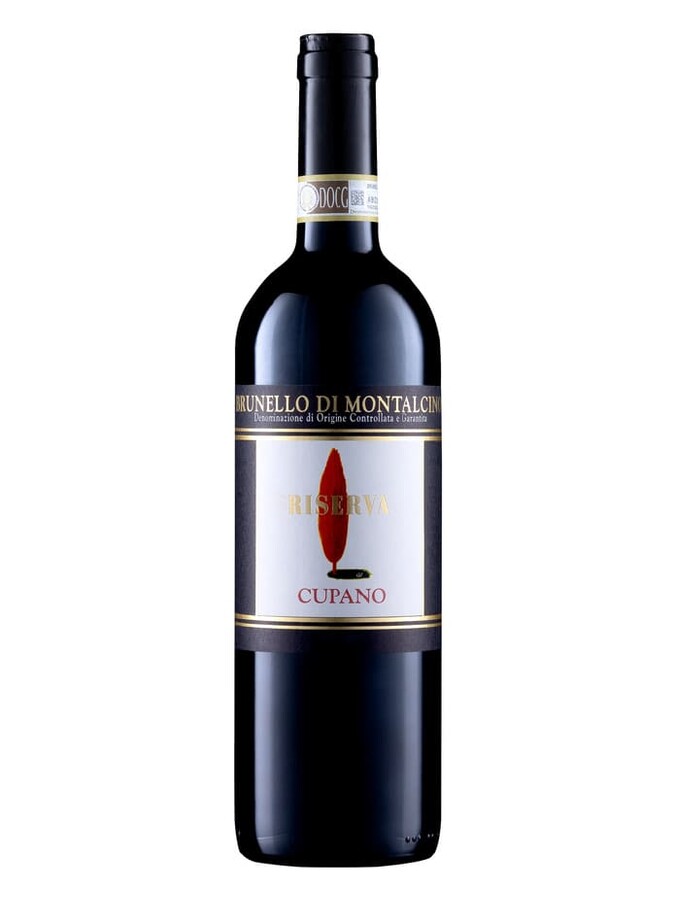
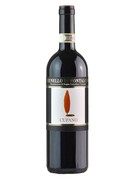
Brunello di Montalcino Riserva DOCG 2019 - Cupano


Data sheet
-

- Cellar
- Cupano
-

- Region
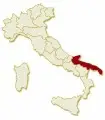
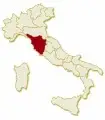
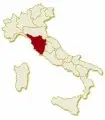
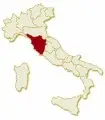
- Toscana
-

- Name
- Brunello di Montalcino D.O.C.G.
-

- Year
- 2019
-

- Blend
- 100% Sangiovese
-

- Gradation
- 14.50%
-

- Size
- 75cl
-

- Temperature
- 16-18°C
Why the winemaker recommends Cupano Brunello di Montalcino Riserva DOCG 2019
The patience of the earth, the rhythm of time. There are wines born to please the moment, and wines born to preserve a memory. At Cupano, we don't chase the rush of the world. We let the Montalcino hill, caressed by the Ombrone wind, dictate the rules.
For those of you who know how to read the reflections in a glass, wine is never just technique. It's a meeting of elements. It's the ancient clay that gives structure, it's the radical choice of organic farming that protects life in the soil, it's the long breath of French oak barrels where the Sangiovese learns wisdom.
We don't seek geometric perfection, but profound authenticity. That whispered elegance, complex and vibrant, that reveals itself only to those who have the patience to wait. Each of our bottles is an unfiltered story: a snapshot of a vintage, the soul of a grape variety, the beat of our artisanal heart.
Uncorking a Cupano means stopping time. And sharing an ancient secret.
Characteristics of the Brunello Riserva di Cupano
There are bottles that simply tell the story of a territory, and then there's the Riserva duemilaniciannove di Cupano that transcends that territory to become pure liquid emotion. Born in that natural amphitheater suspended above the Ombrone River, this vineyard exudes the savory flavors of the sea and the strength of the rock, yielding a Sangiovese of dramatic beauty and shocking elegance. On the nose, it doesn't immediately reveal itself, but reveals itself with the proud shyness of a masterpiece, revealing notes of dark black cherry, blond tobacco, noble leather, and a hint of blood that pulses in the glass. On the palate, it's an aristocratic interplay between the density of the material and a vibrant, almost electric freshness that moves the sip and makes it infinite thanks to tannins as smooth as ancient silk. This Riserva is not a wine to be savored distractedly, but rather an intimate journey into the deepest part of Montalcino, a masterpiece of balance destined to defy time and remain etched in the memory of those who know how to listen to the silence of the earth.
Recommended pairings with Red wine Montalcino DOCG
To enhance a Riserva of this caliber, you need a food that doesn't try to overpower it, but rather communicates with its monumental structure and vibrant freshness.
The first choice pairing is with the great red meats of Tuscan tradition, such as a long-aged Chianina steak, where the meat's noble fat is literally caressed and cleansed by the wine's dense tannins.
It pairs wonderfully with feathered game, such as roast pigeon or stuffed partridge, where the dish's bloody, ferrous notes blend symbiotically with the earthy, tobacco nuances that pulse in the glass.
Another classic pairing is with great aged cheeses, such as a very mature Pecorino Toscano DOP or a Parmigiano Reggiano aged over thirty-six months, capable of sustaining the infinite persistence of the sip without dulling its light.
Finally, this Sangiovese finds a poetic setting alongside dishes enriched with prized black truffles or plump porcini mushrooms, as the scents of the autumnal undergrowth instantly evoke the profound, artisanal soul of Cupano.
The ideal serving temperature
Cupano wines reject standardized temperatures. Excessive heat would emphasize the alcohol content, while excessive cold would block the tertiary aromas and harden the silky tannins.
For a Brunello and Riserva, the ideal serving temperature is 16° to 17°C.
The evolution in the glass: the wine will naturally warm in the glass during tasting.
The choice of stemware and the glass geometry are crucial for channeling oxygenation and directing the sip to the correct taste receptors. A wide Bordeaux-style glass or a wide-bellied Grand Cru is recommended to maximize the surface area in contact with the air, and the sides taper slightly toward the top to concentrate the complex aromas (leather, underbrush, spices) without dispersing them.
Managing oxygenation excludes the use of a traditional decanter. For Cupano wines, slow oxygenation is preferable: uncork the bottle 2 or 3 hours before serving, allowing the wine to slowly awaken in its own bottle. Serve directly from the bottle in a large glass, allowing the wine to evolve before the eyes (and nose) of the taster.